Crafted by Mountain and Sea
Journey through the Alpine-Adriatic region, where sustainable materials—wood, wool, stone, and clay—shape resilient homes, everyday tools, and shared identities. Together we explore Sustainable Materials of the Alpine-Adriatic Landscape: Wood, Wool, Stone, and Clay, translating time-tested practices into practical steps. Walk among selectively managed forests, wind-brushed pastures, karst quarries, and village kilns, discovering how circular craft revives livelihoods, cuts emissions, and honors place.
From Spruce to Sound Structures
Cross-laminated timber made from fast-growing spruce reduces steel and concrete demand while delivering strength, speed, and low embodied carbon. When paired with lime or clay plasters, interiors regulate humidity and acoustics, soothing alpine winters and coastal heatwaves. Certified chains of custody and local mill residues further enhance traceability, affordability, and circularity.

Carpenter’s Path Through Snow
One February, a carpenter named Mara strapped skins to her skis and crossed a quiet pass to deliver precisely notched beams to a lakeside renovation. Villagers met her at dusk with soup and stories; by spring, the community hall reopened, perfumed with larch, echoing children’s rehearsals and weekend folk dances.
High Pastures, Warm Wool
Breeds of Character
Karst and Bovška sheep graze rocky slopes with calm efficiency, while Tyrolean Mountain sheep pack dense, springy fiber ideal for batts and socks. Selecting fleece by micron and crimp, then blending for purpose, elevates comfort and durability. Farmers earn more when brands celebrate provenance instead of masking it behind generic labels.
From Fleece to Fabric
After shearing, careful skirting, gentle washing, and carding preserve fiber integrity for spinning or felting. Solar-heated water and biodegradable detergents reduce energy and pollution. Local dye gardens—madder, weld, walnut—create nuanced palettes, inviting makers to honor variability rather than chase sterile uniformity in every sweater, quilt, and acoustic panel.
Regenerative Grazing Networks
Rotational grazing rebuilds soil structure, boosts wildflowers, and stabilizes slopes prone to erosion. Cooperative scheduling of pastures and mobile fencing reduces stress on shepherds and animals, while school knitting circles and mending clubs keep techniques alive. Every stitch extends product life, softening footprints and deepening intergenerational pride.

Mountains Carved with Patience
Karst limestone, alpine gneiss, and river-rolled cobbles record geological time while offering robust, recyclable building blocks. Quarrying that respects strata and water tables preserves springs serving valleys below. Skilled masons read the grain, set stones dry or with lime, and craft steps, sills, stoves, and terraces that temper summer heat and winter chill.

Earth Shaped into Everyday Grace
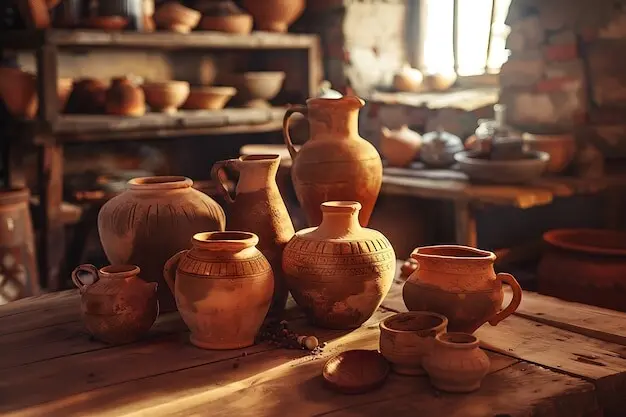
River clay and hillside loam become tiles, bricks, stoves, and vessels that breathe with interiors. Low-temperature kilns fueled by forestry byproducts minimize emissions, while lime-clay plasters regulate moisture and welcome patching. Potters and builders experiment with grog, fibers, and bio-based glazes to strengthen performance without importing faraway minerals.
Bioclimatic Synergy
Each material contributes different strengths: wood spans, wool insulates, stone moderates temperature, and clay manages humidity. Oriented correctly, windows and eaves harvest light while preventing glare. Passive strategies multiply benefits, allowing smaller mechanical systems, quieter rooms, and meaningful savings over a building’s entire life.
Details that Breathe
Vapor-open wall assemblies pair timber studs, wood fiber boards, wool batts, and clay-lime finishes to avoid trapped moisture and mold. Simple rainscreens and capillary breaks handle storms gracefully. Maintenance becomes seasonal ritual—oiling, brushing, repointing—connecting residents to materials rather than outsourcing every decision to sealed plastics.
Repair, Reuse, and Local Value Chains
Design for disassembly lets beams, tiles, and panels reenter circulation after decades of service. Salvage markets, maker spaces, and municipal depots match supply with creativity. Money stays close to home as residents commission furniture, knits, stoves, and repairs that echo landscapes rather than distant, anonymous factories.
People, Skills, and the Paths Between
Craft survives through relationships—mentors, guilds, school workshops, Thursday markets, and patient customers willing to wait for excellence. Trails linking huts, farms, mills, and ports carry knowledge as surely as goods. Festivals, choir rehearsals, and barn raisings stitch friendships that outlast fashions, helping young families imagine livelihoods rooted in care.
Start Small, Build Lasting Change
You can begin today with one thoughtful decision: choose materials grown or quarried within a day’s travel, ask who made them, and pay on time. Share this guide, subscribe for field notes, and tell us what you are building so we can cheer, connect, and learn together.
All Rights Reserved.