Craft Without Borders: Markets and Cooperative Hubs of Northern Italy, Slovenia, and Croatia

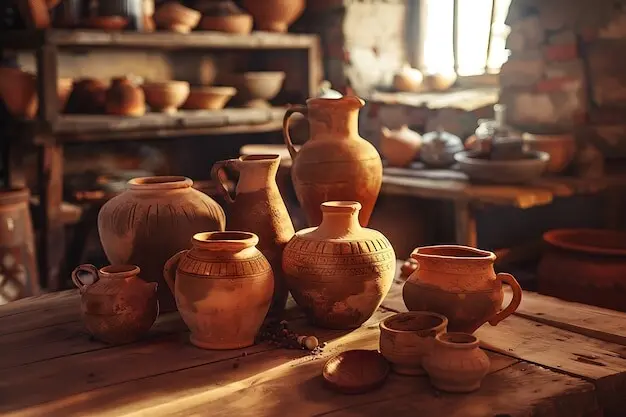
Today we explore cross-border craft markets and cooperative hubs in Northern Italy, Slovenia, and Croatia, following coastal promenades and alpine passes where artisans share tools, swap ideas, and build livelihoods. Expect lace from Idrija beside Istrian ceramics, Friulian mosaics near Rijeka woodturners, and stories shaped by trains, ferries, and friends who translate, negotiate, and celebrate together.

A Living Map of Borderland Marketplaces
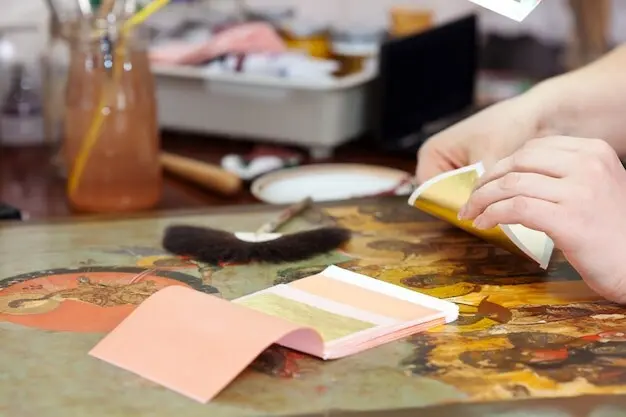
Walkable ports, hilltop towns, and twin cities create a continuous corridor where stalls reappear like friendly landmarks. In Trieste, Koper, Piran, Gorizia, Nova Gorica, Rijeka, Opatija, and Udine, artisans trade not only goods but methods, mentors, and practical advice. Markets feel familiar yet surprising, stitched together by shared histories, multilingual greetings, and the comforting rhythm of recurring weekends.

Coastal circuit from Trieste to Koper and Piran

Morning sea light turns linen brighter, glass deeper, and wood warmer along promenades linking Molo Audace to Koper’s squares and Piran’s alleys. Vendors swap packaging tips, card-reader chargers, and stall clips, while buskers soften bargaining with laughter. Border checks are memories; now conversations cross effortlessly, letting newcomers test prototypes beside seasoned neighbors who remember everyone’s first nervous setup.

Gorizia–Nova Gorica squares revived by weekend fairs

Here, a single urban fabric spans two municipal hearts, and markets animate both sides with bilingual banter and simple bearings: follow the aroma of roasted chestnuts toward woven baskets, ceramics, and herbal salves. The gentle competition pushes quality upward without smothering generosity. Apprentices learn to price fairly, accept digital payments, and explain processes with humility, confidence, and precise, welcoming detail.

Rijeka, Opatija, and Istrian hilltowns on a single loop

A practical itinerary begins on Rijeka’s lively waterfront, glides to Opatija’s elegant promenades, then winds inland toward Grožnjan, Motovun, and Bale. Every stop tweaks the day’s pitch: coastal visitors favor portable gifts, hilltown browsers linger over commissions. Artisans trade intel about shade, wind, and festival spillover, adjusting displays, inventory depth, and storytelling to match mood, season, and strolling cadence.

Materials, Techniques, and Heritage That Travel

Borders never contained knowledge. Bobbins tick quietly in mountain towns, clay remembers sea breezes, and tiny tesserae catch light in unexpected courtyards. Techniques adapt to buyers who ask sharper questions each season. Heritage becomes a working verb: mending tools, updating dyes, refining glazes, and teaching curious hands that tradition survives through performance, repair, community use, and bold, careful experimentation.

Cooperative Hubs, Studios, and Shared Tools

Impact Hub Trieste and cross-border peer circles

Coworking tables host ceramicists finalizing labels, jewelers editing product names, and illustrators translating postcards into Italian, Slovene, and Croatian. Mentors introduce Interreg opportunities and pragmatic pricing frameworks. When a storm threatens a Saturday market, messages fly and vans are re-routed. The unwritten curriculum teaches resilience: test small, document clearly, iterate bravely, and refuse isolation, especially after disappointing sales.

RogLab Ljubljana’s prototyping confidence for artisans

Access to cutters, printers, and trained technicians helps transform sketches into sellable runs without burying makers in sunk costs. Workshops blend tradition and tech: laser-etched lace patterns on linen, precise jigs for repetitive joins, and color-managed prints for packaging. The lab culture prizes safety, documentation, and reproducibility, so returning to a hit product months later feels calm, traceable, and profitable.

RiHub Rijeka’s collaborative spirit after a festive year

Cultural programming seeded long-lasting habits: shared calendars, public feedback sessions, and grant-writing sprints that stopped feeling intimidating. Artisans co-plan pop-up clusters, pool transport, and negotiate family-friendly hours. A photographer circulates a portable backdrop, while a retired accountant normalizes healthy margins. The legacy is practical optimism: say yes to partnerships, track results, refine quickly, and celebrate learning in public.

Permits and market slots without last-minute stress
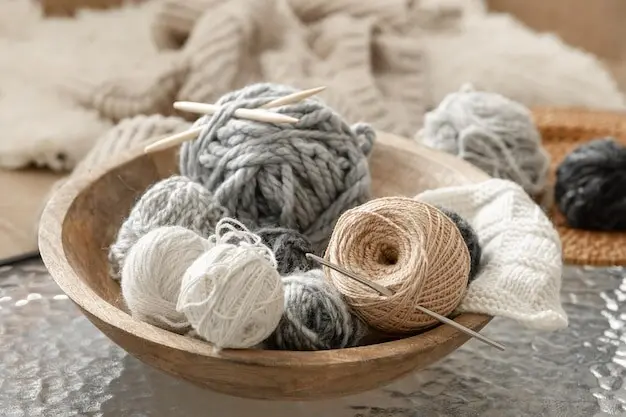
Successful sellers maintain a binder or cloud folder with licenses, identification, product safety notes, and public liability insurance. They keep extension cords, certified plugs, and tidy cable covers ready. Arrive early, photograph stall boundaries, and confirm wind allowances for canopies. When everyone follows the checklist, setup becomes choreography, not chaos, freeing energy for conversations, demonstrations, and confident, unhurried pricing.

VAT, OSS, and receipts that make accountants smile
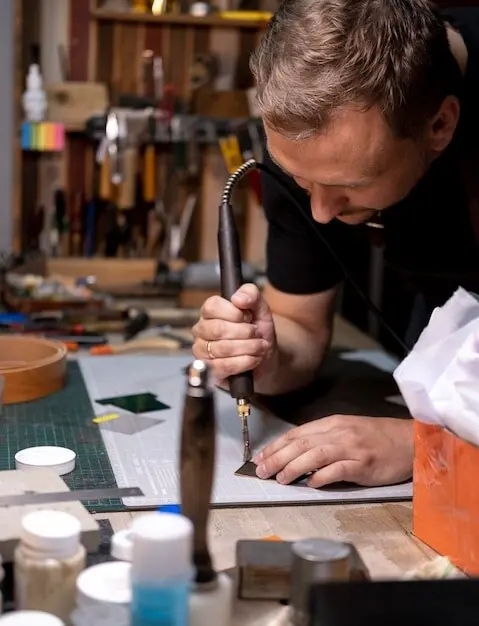
Even micro-enterprises benefit from consistent invoices, readable item lines, and clear origin statements. Using portable printers or emailed receipts speeds queues and supports returns. The EU’s frameworks simplify cross-border selling, but artisans still track thresholds and product categories. A quarterly ritual—reconcile stock, review margins, archive proofs—turns compliance into clarity, guiding smarter reinvestment in tools, packaging, and booth upgrades.

From association to cooperative, and maybe SCE
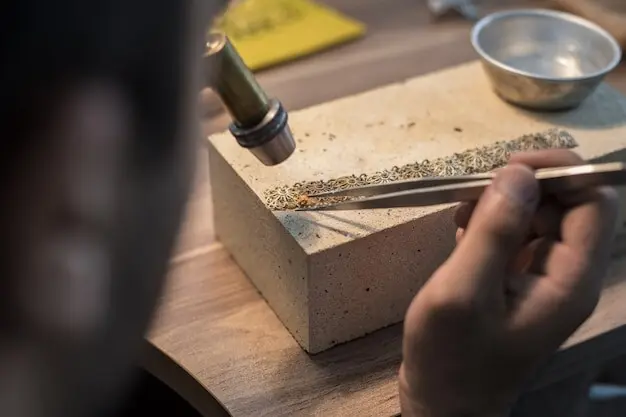
Groups formalize when informal kindness meets recurring needs. An association can share promo, but a cooperative unlocks pooled buying, collective insurance, and co-branded events. When cross-border momentum sustains, exploring a European Cooperative Society structure encourages clarity about governance, surplus allocation, and onboarding. Legal advice early saves friendships later, ensuring fairness, continuity, and room for new members to thrive.

Morning light in Nova Gorica and a notebook of patterns

A maker reviews sketches at dawn, cross-referencing last month’s sales with passing remarks: more cobalt, smaller frames, lighter backing. At setup, an elderly couple recognizes her hands from a workshop and brings coffee. Their granddaughter asks about tools, receives a spare bobbin, and returns later with a friend. By noon, three pieces sell, each bundled with a story card.

Afternoon breeze in Rovinj and clay that remembers touch

Tourists drift uphill, pausing at glaze tests displayed like seashells. A fisherman suggests a handle shape shaped by wet palms; the potter tries it that evening using a neighbor’s borrowed rib. Next day, the cup fits perfectly. A passerby buys two, mentioning a small café. Weeks later, a repeat order arrives, proving attentive listening can turn chance into livelihood.

Digital Bridges for Real Stalls

Online presence amplifies street conversations. Multilingual captions respect neighbors, while short videos reveal processes without giving trade away. A simple shop links to pickup at markets, easing shipping anxieties. Shared calendars, group newsletters, and micro-influencers help visitors find stalls twice: once on screen, once in the square, where texture, weight, and eye contact complete the persuasion.

Multilingual storytelling that respects nuance
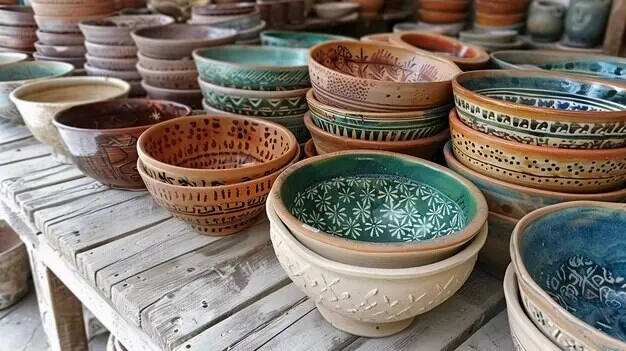
Product names stay consistent across English, Italian, Slovene, and Croatian, but captions adapt idiom and rhythm. Makers translate benefits, not only features, and include care instructions customers actually keep. Alt text describes materials and finishes, while subtitles in Reels welcome quieter spaces. When communication honors context, browsers become buyers, and buyers become the friends who bring tomorrow’s guests.

One currency, transparent prices, and fair margins
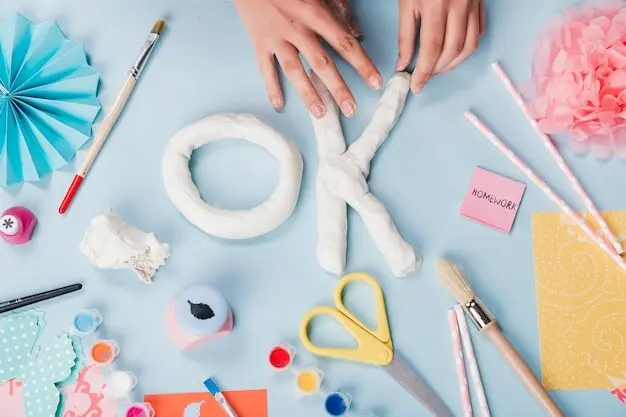
With euro used in all three countries, signage clarifies sizes and customization tiers instead of juggling conversions. Pack price ladders by use-case—gift, daily ritual, statement piece—and defend margins with craftsmanship evidence: time logs, material swatches, repair guarantees. Discounts become thoughtful bundles, not panic reactions. Transparency builds trust, and trust carries through rainy days when footfall thins unexpectedly.

Micro-influencers and neighborhood groups that actually care

Instead of chasing distant virality, artisans partner with local guides, librarians, teachers, and café owners whose recommendations carry lived weight. A short studio tour, a school demo, or a civic newsletter mention often beats paid blasts. Track outcomes gently: coupon codes, QR scans, and returning smiles. When gratitude is public, partnerships deepen, and markets feel increasingly like community rehearsals.

Seasonal Routes and Reliable Dates

Calendars anchor courage. Spring favors experimentation and new lines; summer rewards portable gifts and extended hours; autumn welcomes harvest pairings and thoughtful commissions; winter brings indoor halls, Advent lights, and storytelling workshops. Regional festivities—Idrija Lace Festival, Ljubljana’s riverside celebrations, Rijeka’s carnival season, and Gorizia’s beloved food fair—often weave craft into their programs, multiplying chances to meet attentive audiences.
Nexolorotarikira
Privacy Overview

This website uses cookies so that we can provide you with the best user experience possible. Cookie information is stored in your browser and performs functions such as recognising you when you return to our website and helping our team to understand which sections of the website you find most interesting and useful.